

However, after several wash cycles, fabrics can still develop a greyish residue caused by the interaction between detergent and minerals in the water. To counter this effect and restore visual brightness, modern laundry detergents include optical brighteners.
How optical brighteners work
Optical brighteners are fluorescent dyes that adhere to fabric fibres and reflect a light-blue glow when exposed to sunlight. This makes garments appear whiter by masking grey tones and small stains. The result is a visual effect rather than chemical bleaching, and it is renewed with every wash.
These components deliver better results in warm or even cold water and preserve the structure of fabrics far more effectively than traditional aggressive bleaches. They are also suitable for delicate materials, including wool and silk.
Optical brighteners in DeLaMark products
DeLaMark’s eco-certified powders, liquids and gels are designed for effective washing at low temperatures. For this reason, most of our powders contain an oxygen bleach (percarbonate) along with a new-generation optical brightener produced in Europe. It spreads evenly across fibres, maintains fabric brightness in daylight and meets ecological standards.
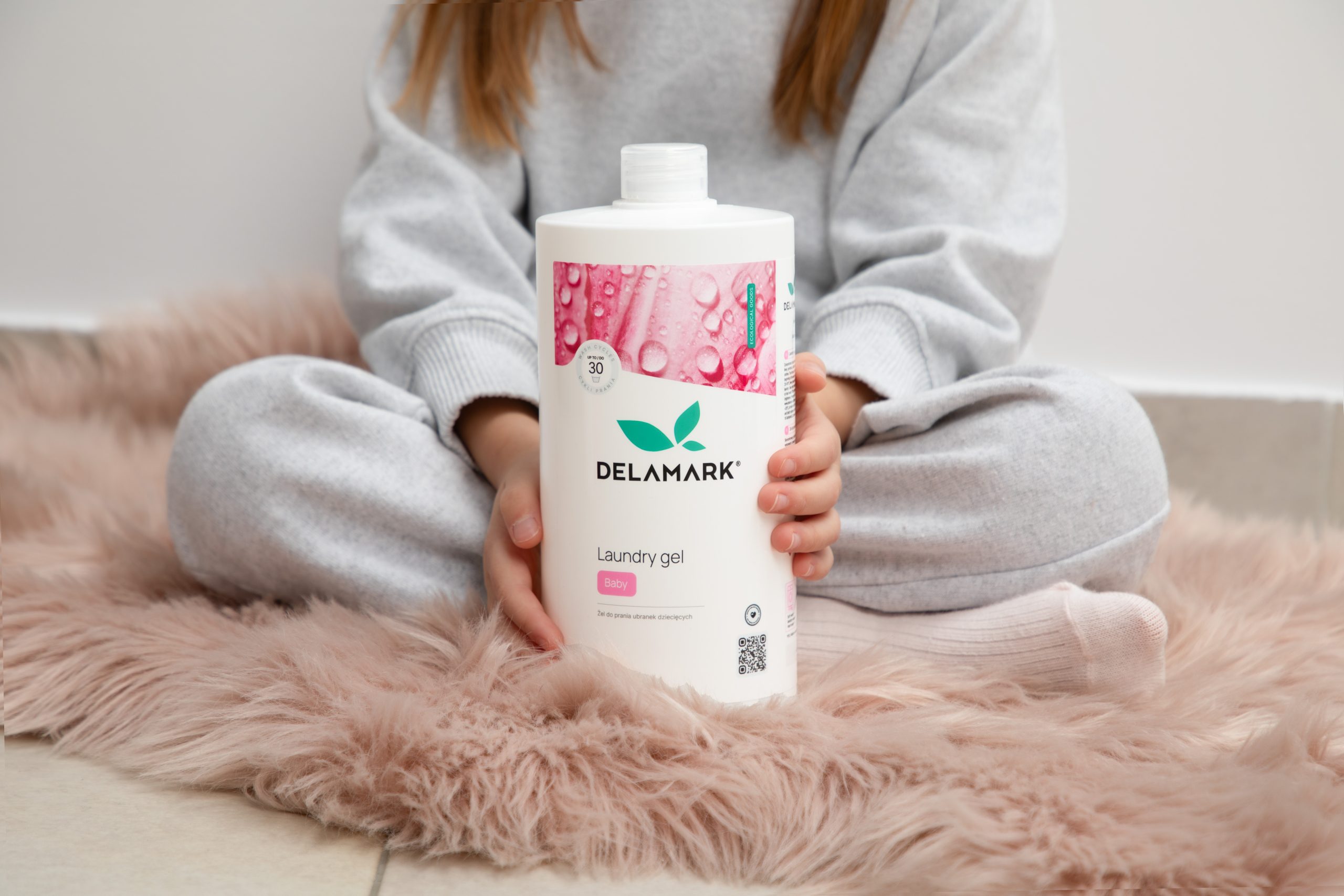
We intentionally avoid optical brighteners in children’s laundry detergents to ensure maximum gentleness for sensitive skin.
Because synthetic fragrances are the most common cause of irritation, DeLaMark laundry detergents have a light scent based on essential-oil compositions or come in a completely fragrance-free version.
The optimal concentration of optical brightener provides excellent washing performance at low temperatures while extending the lifespan of garments and reducing environmental impact.


We use cookies for the smooth operation of the website and the provision of offers based on your needs. You can find out more on the page.